



Perlite
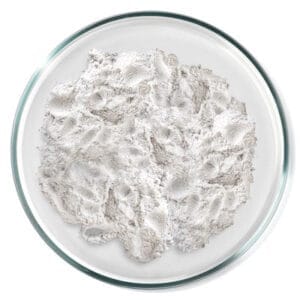
Perlite EP100
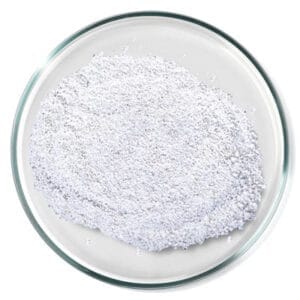
Perlite EP150
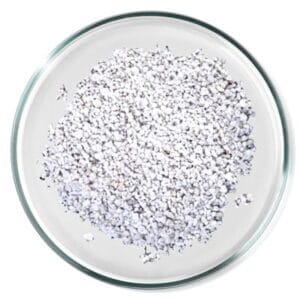
Perlite EP180
Perlite EP200
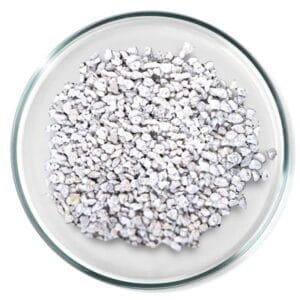
Hydroperl
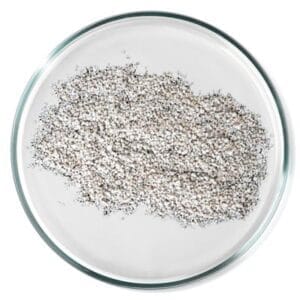
Features and Benefits
Perlite as a product is lightweight, largely inert, odourless, sterile and has a neutral pH, harmless to humans, animals and the wider environment.
Expanded Perlite is particularly useful in production of low density mortars and plasters. It is chemically neutral and naturally fire resistant.
Filter perlite is designed for use in any diatomite or powder type filtration system, both for pressure and vacuum. In vacuum systems Filter Perlite shows resistance to precoat cracking.
Filter Perlite has the ability to filter “hard-to-clarify” liquids while maintaining maximum “flow rates” , whilst being 25-40% more cost effective than other competitive filter aids.
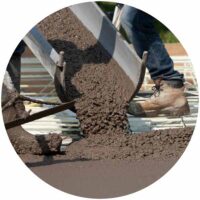
When used in concrete expanded perlite has excellent sound and thermal insulation properties.
In cosmetics it’s a natural and effective scrub material.
As a soil conditioner, Perlite is ideal for improving aeration and permeability, although improved water retention is also possible, and it is highly effective filtration medium.



Applications
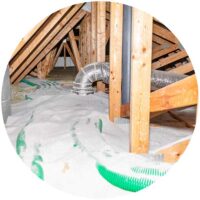
• Insulation materials
• Filtration media
• Soil conditioner
• Construction materials
• Hydroponic farming
• Green Roofing
• Greenhouses
Industries
Construction
Perlite plasters and mortars using PERLITE EP 150 or EP 180. Because perlite combines perfectly with cement, lime and water, you can use it instead of sand to make plaster mixtures with insulating properties many times superior to traditional plasters. Additionally, they are chemically neutral and fire-resistant, eliminating thermal bridges. They can be used both internally and externally. Perlite concrete is one of the best building materials used to insulate floors, ceilings and flat roofs. Perlite concrete screeds (thickness from 3 to 15 cm, depending on needs) have excellent insulating properties, are sound-absorbing, fire-resistant, light and harmless to health.
Agriculture
It is most often used as a soil additive and as an independent inert (chemically inactive) substrate in gardens, greenhouses, horticulture, forest nurseries, mushroom cultivation, hydroponics, potted crops and as a component of substrates on green roofs, golf courses, stadiums. etc., as well as for rooting cuttings and propagating plants. Adding expanded perlite to a substrate increases the air capacity and permeability of the soil, while using finer fractions increases water retention. Perlite is very light, so the rooted cuttings can be taken out of the ground without fear of damaging the delicate roots. It’s sterile which is very important in the case of in vitro reproduction, it has excellent drainage properties eliminating the risk of flooding the substrate and depriving the plants of air access vital in the case of rooting green seedlings that require irrigation.
Filtration
Filtration is one of the most frequently used operations in the food and chemical industries. Good filtration materials should be light, chemically neutral and create layers of high porosity to ensure free flow of liquids. They must be manufactured in wide grain ranges to meet various solids removal requirements. All these conditions are met by FilterPerl from PERLIPOL. In many cases, this process can only be performed using filter aids such as FilterPerl perlite. The FilterPerl filter agent, creates a porous layer on the filtration partition. It does not react chemically with the filtered liquid and does not thicken easily under pressure. The huge surface area coupled with small particle small size, results in effective fast flowing medium with little channelling.
Additional
As expanded perlite is a natural material, absolutely safe for health and capable of absorbing moisture. Its abrasive properties are used by producers of scrubs, toothpastes and shampoos, delicate stainless steel polishing pastes and household chemicals used for abrading, scrubbing and polishing surfaces. Thanks to its porosity, perlite is very absorbent, which is why it is an excellent carrier of long-release fragrances. It is commonly used in scented sachets. Perlite’s good sound-absorbing properties make it used as a component of acoustic panels on roads, but also in philharmonic halls, concert halls, and theatres. Since perlite is very light, such sound insulation can be used not only on walls, but even on ceilings.
Get in touch…
Thank you for your interest in Agility Minerals. If you would like further information about us, or to make an enquiry, please complete the contact form and a member of the team will get back to you as soon as possible.
Please note that all fields are mandatory.